
Dr Sherief Elsayed on Preventing Disc Herniation Coming Back

Can a herniated disc come back after surgery?
Yes, recurrent disc herniation occurs in approximately 15% of patients within the first year after surgery. This happens because the hole in the disc wall remains after the herniated material is removed. Until scar tissue adequately seals this opening, there is risk of additional disc material pushing through the same tear.
How long after disc surgery am I at highest risk for recurrence?
The greatest vulnerability exists during the first six to twelve weeks after surgery, when the disc tear is healing but has not yet developed strong scar tissue. Following your surgeon’s post-operative restrictions during this period is critical for reducing recurrence risk.
Does recurrent disc herniation always need surgery?
No, many recurrent herniations improve with conservative treatment including pain medication, physiotherapy, and injections. Surgery is recommended when conservative measures fail, when nerve compression is severe and causing progressive weakness, or when symptoms significantly impair quality of life.
What is the most important thing to avoid after disc surgery?
Forward bending is the single most important movement to avoid during early recovery. Bending at the waist dramatically increases pressure inside the disc and can force additional material through the unhealed tear. Instead, bend at the knees while keeping your back straight when you need to reach low objects.
Can I drive after disc surgery?
Driving should be limited during the first few weeks after surgery because it involves prolonged sitting in a flexed position with vibration from road surfaces, both of which stress the healing disc. Discuss specific driving restrictions with your surgeon, as recommendations vary based on individual circumstances and the nature of your commute.
What are red flag symptoms after disc surgery?
Seek urgent medical care if you experience loss of bowel or bladder control, numbness in the groin or inner thighs, progressive leg weakness affecting one or both legs, severe uncontrolled pain, or fever with increasing back pain. These symptoms may indicate serious complications requiring immediate attention.
When a herniated disc returns after surgery, patients understandably feel frustrated and concerned. Dr. Sherief Elsayed, a UK-trained consultant spine surgeon practising in Dubai, frequently addresses this reality with his patients. While surgical removal of a herniated disc typically provides excellent relief from sciatica, the possibility of recurrence exists, and understanding why this happens can help patients protect their recovery and make informed decisions about revision surgery when necessary.
A herniated disc, also known as a slipped disc or disc prolapse, occurs when the soft inner material of an intervertebral disc pushes through a tear in its tough outer layer. When this herniated material compresses a spinal nerve, it causes sciatica, which refers to leg pain caused by nerve irritation or compression originating from the lower back. The surgical procedure removes the herniated portion pressing on the nerve, but the tear in the disc wall remains, and this creates a window of vulnerability during the early healing phase.
Dr. Sherief Elsayed emphasises that recurrent disc herniation is not a failure of surgery or patient care, but rather a recognised complication that affects approximately 15% of patients within the first year after their initial operation. This statistic reflects the natural healing process of disc tissue and the biomechanical stresses the spine continues to experience during daily activities.
What Causes a Herniated Disc to Come Back After Surgery?
The mechanism behind recurrent disc herniation is straightforward but important to understand. When a surgeon operates on a herniated disc, the goal is to remove the portion of disc material that has extruded through the outer layer and is compressing the nerve root. The surgeon also removes slightly more disc material to ensure adequate decompression and reduce immediate recurrence risk.
However, the hole or tear in the disc annulus, which is the tough outer ring of the disc, cannot be repaired during standard discectomy surgery. This opening remains present after the operation. Over time, scar tissue forms and the tear gradually closes, but this healing process takes weeks to months. During this vulnerable period, normal activities can generate enough pressure within the disc to push additional inner disc material through the same weakened area.
Several factors influence whether a recurrent herniation will develop:
The size and location of the original tear play a significant role. Larger tears or those positioned in areas subject to higher mechanical stress are more prone to allowing further disc material to escape. The overall health and integrity of the remaining disc also matter. If the disc was significantly degenerated before the initial herniation, the surrounding tissue may be weaker and less able to contain the inner nucleus material.
Patient-specific factors contribute as well. Body mechanics, occupation, activity level, and adherence to post-operative restrictions all influence healing. Patients who return too quickly to heavy lifting, bending, or twisting activities place their healing disc under stress before adequate scar tissue has formed. Even patients who carefully follow instructions may experience recurrence simply due to the natural biomechanics of their spine and the demands of daily living.
Smoking significantly impairs disc healing by reducing blood flow to spinal tissues. This compromised circulation slows scar formation and weakens the structural integrity of healing disc tissue. Dr. Sherief Elsayed consistently advises patients to stop smoking before and after spine surgery to optimise their recovery outcomes.
How Do Patients Usually Describe Symptoms of Recurrent Disc Herniation?
The symptoms of recurrent disc herniation closely mirror those of the original episode. Patients typically describe a return of sharp, shooting leg pain that follows the path of the affected nerve, commonly travelling from the lower back through the buttock and down the back or side of the leg, sometimes reaching the foot. This is sciatica returning.
The onset can be sudden or gradual. Some patients report a specific incident that triggered the recurrence, such as lifting something heavy, twisting awkwardly, or even just bending forward to tie their shoes. Others notice a slow build-up of discomfort over days or weeks, with progressively worsening leg pain that eventually becomes severe enough to prompt medical attention.
Accompanying symptoms may include pins and needles sensations, numbness in specific areas of the leg or foot, and sometimes weakness in ankle or toe movements. The pain is often worse with sitting, forward bending, or activities that increase pressure within the disc. Lying down typically provides some relief, as it reduces the compressive forces on the spine.
Many patients express disappointment and anxiety when symptoms return. They had experienced the relief that surgery provided and the return of pain can feel defeating. Dr. Sherief Elsayed reassures patients that recurrence does not mean the initial surgery was unsuccessful. The first operation did exactly what it was intended to do by removing the herniated fragment and relieving the immediate nerve compression. A recurrence is a separate event involving new disc material.
It is crucial to differentiate recurrent disc herniation from other post-operative issues. Not all post-surgical pain indicates recurrence. Some discomfort during the healing phase is normal. Muscle soreness, temporary nerve irritation from surgical handling, and the natural inflammatory response to surgery can all cause pain that gradually improves. True recurrent herniation presents with the characteristic sciatica pattern and often occurs after a period of improvement following the initial surgery.
How Can You Test Yourself for a Recurrent Slipped Disc at Home?
Dr. Sherief Elsayed offers patients a simple home assessment technique that can help identify whether returning leg pain might indicate a recurrent disc herniation. This test, known as the straight leg raise test, has been used by doctors for generations as an initial screening tool for nerve root compression.
To perform this test at home, lie flat on your back on a firm surface like a bed or the floor. Have someone slowly lift your affected leg, keeping the knee completely straight. The person lifting should raise the leg gradually until you feel discomfort or until the leg reaches about 60 to 70 degrees from the surface. If this manoeuvre reproduces or significantly worsens your leg pain, particularly the shooting sciatic pain down the back of your leg, it strongly suggests nerve root irritation consistent with a disc herniation.
The key finding is not just that the leg hurts when raised, but that it reproduces your specific sciatic pain pattern. Back pain alone during this test is less specific. The straight leg raise is positive when it triggers the characteristic nerve pain that radiates down the leg in the distribution you have been experiencing.
This home test is useful but not definitive. A positive result means you should seek professional assessment from a spine doctor in Dubai rather than attempting self-diagnosis or self-treatment. The test cannot tell you how large the herniation is, which specific nerve root is affected, or whether conservative treatment versus surgery is appropriate. Only proper medical evaluation including physical examination and imaging when necessary can provide those answers.
If the straight leg raise test is positive and you are experiencing severe or worsening leg pain, numbness, or weakness, contact your surgeon promptly. Early assessment allows for timely intervention if needed and prevents potential nerve damage from prolonged compression.
What Is Dr. Sherief Elsayed’s Approach to Recurrent Disc Herniation?
When a patient returns with symptoms suggesting recurrent disc herniation, Dr. Sherief Elsayed follows a systematic, patient-centred assessment process. The evaluation begins with a detailed discussion of symptoms, including when they started, how they have progressed, and what activities worsen or relieve the pain. Understanding the symptom pattern helps differentiate true recurrence from other post-operative issues.
Physical examination is essential and cannot be replaced by imaging alone. Dr. Sherief Elsayed performs specific neurological tests to assess nerve function, including strength testing of different muscle groups in the leg, sensation mapping, and reflex checking. These findings reveal which nerve root is affected and how severely. The straight leg raise test performed in the clinic provides additional information about nerve tension and irritation.
Imaging follows the clinical assessment. An MRI scan is the gold standard for visualising disc herniations and determining whether new disc material has extruded and is compressing a nerve. Comparing the new MRI to pre-operative and immediate post-operative scans helps confirm whether this is truly a recurrence at the same level or possibly a new herniation at a different spinal segment.
The decision about whether revision surgery is necessary depends on multiple factors, not just the presence of a recurrent herniation on MRI. Dr. Sherief Elsayed considers the severity and duration of symptoms, the degree of nerve compression shown on imaging, the patient’s functional limitations, and their response to conservative measures.
Not every recurrent disc herniation requires immediate revision surgery. Just as with initial disc herniations, many recurrences will improve with conservative treatment. The body’s natural healing process, whereby white blood cells gradually break down and reabsorb the herniated disc material, can work for recurrences just as it does for primary herniations. This process typically takes weeks to months.
Conservative management options include targeted pain medication, which may involve anti-inflammatory drugs and nerve pain medications to control symptoms during the healing period. Physiotherapy helps maintain mobility, strengthen supporting muscles, and teach patients safe movement patterns that reduce stress on the healing disc. Epidural steroid injections can provide significant pain relief by reducing inflammation around the compressed nerve root, potentially allowing time for natural healing to occur.
Dr. Sherief Elsayed recommends revision surgery when conservative treatment fails to provide adequate relief, when nerve compression is severe and causing progressive weakness, or when symptoms significantly impair quality of life and function. The decision is always made collaboratively with the patient after thorough discussion of the risks, benefits, and realistic expectations of revision surgery.
Revision discectomy is generally successful, though the risk of further recurrence does exist. Some patients may ultimately require fusion surgery if repeated herniations occur or if the disc space has become unstable. This represents a more definitive solution but involves a more extensive procedure with longer recovery.
What Post-Operative Instructions Help Prevent Disc Herniation Recurrence?
The post-operative period following discectomy is critical for healing and recurrence prevention. Dr. Sherief Elsayed provides specific guidance that patients should follow diligently during the first six to twelve weeks after surgery.
Avoiding forward bending is one of the most important restrictions. Bending forward increases pressure inside the disc and can force additional material through the unhealed tear. Patients should avoid bending at the waist to pick up objects, tie shoes, or perform other low activities. Instead, bending at the knees while keeping the back straight reduces disc pressure.
Heavy lifting must be avoided during the early healing phase. Even moderate loads can generate substantial forces within the disc. Most surgeons recommend avoiding lifting anything heavier than two to three kilograms for at least six weeks. After this period, gradual increases in lifting capacity are permitted, but always with proper technique using the legs rather than the back.
Twisting and combined movements pose particular risk. Rotating the spine while bending or lifting creates complex stress patterns that can disrupt healing. Activities like vacuuming, mopping, or reaching and twisting to retrieve objects from car boots should be modified or avoided during the initial recovery period.
Prolonged sitting increases disc pressure significantly compared to standing or lying down. Patients should limit sitting to 20 to 30 minutes at a time during the first few weeks, gradually increasing sitting tolerance as healing progresses. When sitting is necessary, choosing a chair with good lumbar support and sitting with proper posture helps minimise disc stress.
Gentle walking is encouraged and beneficial. Unlike high-impact activities, walking promotes circulation without excessive disc loading. Starting with short walks and gradually increasing distance helps maintain fitness and supports healing without risking recurrence.
Patients must resist the temptation to resume normal activities too quickly simply because they feel better. Pain relief after surgery means the nerve is decompressed, but it does not mean the disc has fully healed. The scar tissue that eventually seals the disc tear takes time to develop adequate strength. Premature return to unrestricted activities during this vulnerable window increases recurrence risk.
Smoking cessation cannot be overstated. The Spine Surgeon in Dubai consistently emphasises that smoking impairs healing at the cellular level and significantly increases complication rates including recurrence. Patients should stop smoking before surgery and remain smoke-free throughout recovery.
When Should You Worry and Seek Urgent Care?
While most post-operative recovery progresses smoothly, certain symptoms require immediate medical attention. These red flag symptoms can indicate serious complications including cauda equina syndrome, which refers to severe compression of the bundle of nerve roots at the lower end of the spinal cord that control bowel, bladder, and lower limb function.
Loss of bowel or bladder control is a medical emergency. This includes sudden inability to urinate, loss of sensation when passing stool, or incontinence. These symptoms suggest severe nerve compression affecting the nerves that control these functions and require urgent surgical intervention to prevent permanent damage.
Saddle anaesthesia, which is numbness in the groin, inner thighs, or around the anal area, is another emergency sign. This pattern of numbness indicates compression of the sacral nerve roots and suggests cauda equina syndrome.
Progressive leg weakness that develops rapidly, particularly if affecting both legs, requires immediate assessment. While some temporary weakness can occur after surgery, new or rapidly worsening weakness may indicate significant nerve compression.
Severe, uncontrolled pain that does not respond to prescribed pain medication and prevents any comfortable position should prompt urgent evaluation. While some post-operative discomfort is normal, pain that is disproportionately severe may indicate complications including recurrent herniation, infection, or haematoma.
Fever combined with increasing back pain and general unwellness can signal post-operative infection. Spinal infections, while uncommon, require prompt diagnosis and treatment to prevent serious consequences.
For symptoms that are concerning but not emergency-level, patients should contact their surgeon’s office during business hours. These include gradually increasing leg pain over several days, new numbness or pins and needles, or difficulty managing pain with prescribed medications. Early intervention can often prevent minor issues from becoming major problems.
Real-World Scenarios: How Patients Experience Recurrence in Dubai
Understanding how recurrent disc herniation manifests in everyday life helps patients recognise symptoms and take appropriate action. Dr. Sherief Elsayed shares common scenarios he encounters in his Dubai practice.
The office worker who returned to work too soon represents a frequent pattern. After experiencing significant relief from discectomy surgery, the patient feels ready to resume normal desk work within two weeks. The prolonged sitting, combined with poor ergonomic setup and perhaps some forward leaning to type or read documents, gradually increases disc pressure. After several weeks back at work, the familiar sciatic pain returns, initially mild but progressively worsening.
The active individual who resumed exercise prematurely is another common scenario. Feeling much better after surgery and eager to return to fitness activities, the patient starts gym workouts or running within a month of surgery. While light walking is beneficial, returning to impact activities or heavy resistance training before adequate healing puts the disc at risk. The recurrence may occur during a specific workout or develop gradually as cumulative stress overwhelms the healing tissue.
The parent performing childcare duties faces particular challenges. Lifting a young child repeatedly, bending to pick up toys, or carrying a baby in a car seat all create exactly the bending and lifting forces that stress healing discs. Despite best intentions to follow restrictions, the demands of parenting often make strict adherence difficult. Recurrence in this population often relates to the biomechanical demands of childcare rather than any deliberate violation of post-operative instructions.
The manual labourer faces obvious challenges. Even with appropriate time off work, returning to physically demanding jobs too early poses significant recurrence risk. Construction workers, warehouse staff, delivery personnel, and others in physically intensive occupations may face pressure to return to full duties before the disc has adequately healed. Working with occupational health services to arrange modified duties during the recovery period can help prevent recurrence.
The long-distance commuter in Dubai traffic encounters a specific risk factor. Driving involves prolonged sitting in a position that typically flexes the lumbar spine, particularly in cars without adjustable lumbar support. The vibration and jolting from road surfaces add further stress. Commuters spending an hour or more daily in traffic during early recovery may unknowingly place their healing disc under repeated stress.
Can You Prevent All Recurrent Disc Herniations?
The reality is that not all recurrences can be prevented. Despite perfect adherence to post-operative instructions, some patients will develop recurrent herniation simply due to the biomechanical properties of their particular disc and the normal healing process. This does not represent failure on anyone’s part.
However, following post-operative guidelines significantly reduces risk. Studies show that patients who strictly adhere to bending, lifting, and activity restrictions during the first six to twelve weeks have lower recurrence rates than those who resume normal activities prematurely.
Long-term spine health extends beyond the immediate post-operative period. After the initial healing phase, maintaining healthy habits supports disc health and reduces the likelihood of problems at the operated level or at other spinal segments. These habits include maintaining a healthy body weight, as excess weight increases loading on lumbar discs throughout daily activities. Regular exercise focusing on core strength, hip flexibility, and overall conditioning supports spinal stability. Avoiding smoking protects disc health and overall tissue healing capacity.
Proper ergonomics at work and home reduce cumulative stress on spinal discs. This includes appropriate desk and chair height for office workers, using proper lifting technique for manual activities, and avoiding sustained postures that strain the spine.
Patients should recognise that even with recurrence, outcomes are generally good. Most recurrences respond to conservative treatment, and when revision surgery is necessary, it typically provides excellent pain relief. The experience gained from the first episode helps patients and surgeons manage the recurrence more effectively.
What Makes Revision Surgery Different from Initial Surgery?
When revision surgery becomes necessary, patients naturally wonder how it differs from their first operation. Dr. Sherief Elsayed explains that the basic surgical goal remains the same, which is removing the herniated disc material to decompress the nerve and relieve symptoms.
However, revision surgery does involve additional considerations. Scar tissue from the first operation surrounds the surgical area. This scar tissue must be carefully dissected to access the disc space and nerve root. Identifying normal anatomy amidst scar tissue requires meticulous technique and adds time to the procedure.
The nerve root may be more adherent to surrounding structures due to scarring from the previous surgery and the recurrent herniation. Careful mobilisation of the nerve is necessary to avoid injury during removal of the recurrent disc fragment.
Some patients may have limited disc material remaining after the initial discectomy. If repeated herniations occur or if the disc space has become unstable, the surgeon may recommend fusion rather than simple repeat discectomy. Fusion involves joining the two vertebrae together, which eliminates motion at that segment and therefore eliminates the possibility of further herniation at that level. This represents a more definitive solution but involves a more extensive procedure with longer recovery and loss of motion at the fused segment.
The decision between repeat discectomy and fusion depends on several factors including the amount of disc material remaining, whether spinal instability exists, the patient’s age and activity level, and their preferences after thorough discussion of options.
Recovery from revision surgery generally follows a similar timeline to the initial operation, though some patients experience slightly more post-operative discomfort due to the additional tissue dissection required. The same post-operative restrictions apply, and patients must again commit to careful adherence to activity guidelines during healing.
Conclusion
Recurrent disc herniation after initially successful surgery is a recognised reality affecting approximately 15% of patients within the first year. While frustrating for patients who have experienced relief only to have symptoms return, recurrence does not represent surgical failure or patient fault. The healing process of disc tissue and the biomechanical demands of daily living create an inherent vulnerability during the weeks and months after discectomy.
Dr. Sherief Elsayed’s approach to recurrent herniation combines thorough assessment, consideration of conservative treatment options, and surgical intervention when necessary. Patients experiencing return of sciatic symptoms after previous disc surgery should seek prompt evaluation from a spine doctor in Dubai rather than assuming surgery is inevitable. Many recurrences resolve with conservative care.
Prevention focuses on strict adherence to post-operative activity restrictions during the critical healing phase, avoiding forward bending, heavy lifting, twisting, and prolonged sitting during the first six to twelve weeks after surgery. Stopping smoking and maintaining long-term spine health through appropriate weight, regular exercise, and good ergonomics further reduce risk.
When revision surgery becomes necessary, it typically provides excellent relief, and patients can be reassured that their long-term outlook remains favourable. The key is partnering with an experienced spine surgeon who understands the complexities of recurrent disc herniation and can guide treatment decisions based on individual circumstances rather than a one-size-fits-all approach.
Table of Contents
Recent Articles
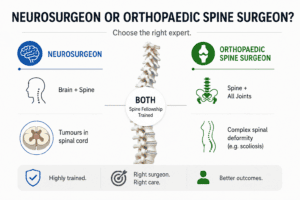
Which Surgeon Should You See for Your Spine Problem in Dubai?
Which Surgeon Should You See for Your Spine Problem in Dubai? Is a neurosurgeon always more qualified than an orthopaedic surgeon for spine conditions? No. Both pathways, when combined with
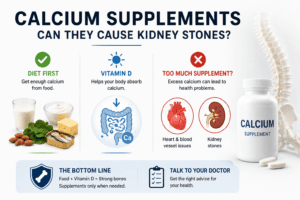
Can Calcium Supplements Cause Kidney Stones?
Can Calcium Supplements Cause Kidney Stones? If I have osteoporosis, should I take calcium supplements? This should be discussed specifically with your doctor, who will assess your individual dietary calcium

What Precision Medicine Means for Pain Management in Dubai
What Precision Medicine Means for Pain Management in Dubai How accurate is pharmacogenomic testing? Pharmacogenomic testing for well-established genetic variants, including CYP2D6 metaboliser status, is highly accurate and based on