
Spinal Infection Treatment in Dubai

Who you'll see
Dr Sherief Elsayed
Consultant Spinal Surgeon, FRCS (Tr & Orth), UK-trained
Clinics: OrthoPro Clinic, Dubai Science Park, and UPANDRUNNING, Al Wasl Road
Most major insurance accepted. Please check with reception.
Written and medically reviewed by Dr Sherief Elsayed, UK-trained Consultant Spinal Surgeon, FRCS (Tr & Orth). Last reviewed 5 November 2026.
Spinal infections are uncommon but serious. Back or neck pain is so common that an infection can go unrecognised for weeks. This page explains the main types, the warning signs, how the diagnosis is made, and when antibiotics alone are enough and when surgery is needed. Dr Sherief treats spinal infections with antibiotics and with surgery. His team in Brighton developed a scoring system to help decide which patients need an operation.
At a glance
- Most people with an infection of the disc and vertebrae are treated with antibiotics alone. In published series, between about a third and a half needed surgery (Appalanaidu et al., 2019; Hunter et al., 2022; Urrutia et al., 2020).
- In a trial of 351 patients, 6 weeks of antibiotics cured as many people as 12 weeks: about 91% in both groups at one year (Bernard et al., 2015).
- Back pain with new weakness, numbness, or bladder or bowel problems needs emergency care.
Symptoms that need urgent care
Call 998 (UAE ambulance) or go to the nearest emergency department straight away if back or neck pain comes with:
- new weakness or numbness in the arms or legs, or difficulty walking;
- numbness between the legs or around the back passage, or new problems passing urine or controlling the bladder or bowels;
- a high temperature with shivering, or feeling very unwell.
An abscess pressing on the spinal cord or nerves needs urgent treatment, so do not wait for a clinic appointment. See also cauda equina syndrome.
Types of spinal infection
Discitis and vertebral osteomyelitis (spondylodiscitis)
This is an infection of a disc and the vertebrae on either side of it. Bacteria usually reach the spine through the bloodstream from an infection elsewhere, for example in the skin, the urinary tract, the teeth or a heart valve. Diabetes, a weakened immune system and injecting drugs make it more likely. See can bad teeth cause a spine infection?
The typical symptom is constant back or neck pain that does not settle with rest and is often worse at night. Not everyone has a fever, so a normal temperature does not rule it out.
Spinal epidural abscess
This is a collection of pus inside the spinal canal, around the nerves. It can arise on its own or alongside spondylodiscitis. Because it can press on the spinal cord or nerves, it is treated urgently.
Infection after spine surgery
An infection can follow any spinal operation. It can be in the wound or deeper, around the spine or any implants. Signs include increasing pain after an initial improvement, redness, swelling or discharge from the wound, and fever. Dr Sherief treats infections after his own operations and after surgery elsewhere.
How spinal infection is diagnosed
The aim is to confirm the infection, find out how far it has spread, and identify the bacteria or fungus responsible, so that the right treatment can be chosen.
- Blood tests: markers of inflammation (CRP and ESR) and a blood count.
- Blood cultures: guidelines recommend two sets in everyone suspected of having a spinal infection (IDSA, Berbari et al., 2015).
- MRI scan: the main scan for showing infection in the disc, bone and spinal canal (IDSA, Berbari et al., 2015).
- Biopsy: if the blood cultures don’t identify the bacteria or fungus responsible, a sample is taken from the infected area with a needle under X-ray or CT guidance (IDSA, Berbari et al., 2015). Dr Sherief performs the biopsy himself or arranges it with an interventional radiologist, decided case by case.
If you are stable and your nerves are working normally, guidelines suggest holding antibiotics until tests have identified the bacteria or fungus responsible, because starting them first can make it harder to identify (IDSA, Berbari et al., 2015). If you are unwell or your nerves are affected, treatment starts straight away.
Treatment with antibiotics
Dr Sherief leads the antibiotic treatment, with advice from the hospital’s microbiologists on the choice of drug. Antibiotics are given through a drip or, for some bacteria, as tablets that are well absorbed (IDSA, Berbari et al., 2015). Fungal infections, which are rare, are treated with antifungal medicines.
For most bacterial infections of the disc and vertebrae, guidelines recommend a total of 6 weeks (IDSA, Berbari et al., 2015). This is based on a French trial in which 6 weeks cured as many patients as 12 weeks at one year: 160 of 176 and 159 of 175, about 91% in each group (Bernard et al., 2015). Some patients need longer; the length is decided case by case.
Progress is followed with your pain, your blood tests and, where needed, repeat scans.
When surgery is needed
Guidelines recommend surgery when the nerves are getting worse, or when the spine becomes unstable despite the right antibiotics. Surgery is also suggested when pain keeps getting worse despite treatment, or when bacteria keep returning to the blood without another source (IDSA, Berbari et al., 2015). An epidural abscess pressing on the nerves may need an operation to drain it.
Dr Sherief performs:
- Decompression and drainage of an abscess, to take pressure off the spinal cord or nerves.
- Debridement, removing infected disc and bone, which also gives samples to identify the bacteria or fungus.
- Stabilisation and fusion, fixing the spine with screws and rods when infection has weakened it.
- Minimally invasive (percutaneous) fixation, placing screws and rods through small incisions in selected patients.
The operation depends on where the infection is, how much bone has been damaged and how the nerves are working. Antibiotics continue after surgery.
The Brighton Spondylodiscitis Score
Deciding early who will need an operation is difficult. Dr Sherief’s team at Brighton and Sussex University Hospitals developed the Brighton Spondylodiscitis Score to help (Appalanaidu et al., 2019). The study looked at 65 patients treated between 2005 and 2014, 21 of whom needed surgery. Six factors were the most consistent predictors of surgery:
- infection elsewhere in the body;
- other medical conditions;
- a weakened immune system;
- the MRI findings;
- where in the spine the infection was;
- whether the nerves were affected.
In that study the score predicted the need for surgery well: an area under the curve of 0.83, where 1.0 is perfect and 0.5 is no better than chance. In a second group of 20 patients the figure was 0.71.
Later studies in other countries have given mixed results:
| Study | Patients | Result |
|---|---|---|
| New Zealand (Hunter et al., 2022) | 91 | Did not predict surgery (0.47) |
| Chile (Urrutia et al., 2020) | 60 | Did not predict surgery; a modified version did better |
| Iran (Rezvani et al., 2024) | 148 | Predicted surgery well (0.81); another score, SITE, did better (0.86) |
| Japan (Gamada et al., 2025) | 90, after minimally invasive fixation | Predicted poorly overall (0.65); no treatment failures in the low-risk group, and 22% of high-risk patients needed further surgery |
So the score is one guide, used alongside the examination, the scans and the blood tests. It does not make the decision on its own.
Table of Contents
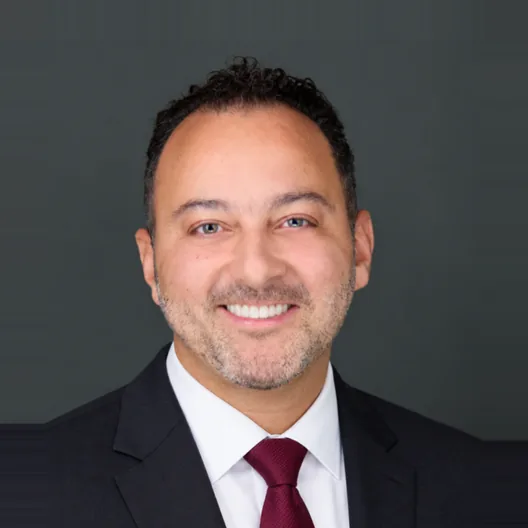
Your consultation with Dr Sherief Elsayed
Dr Sherief Elsayed is a UK-trained Consultant Spinal Surgeon, FRCS (Tr & Orth). He assesses and treats spinal infections, leads the antibiotic treatment and performs the operations above. He operates at American Hospital Dubai and Emirates Hospital Jumeirah. If you are already in hospital with a suspected spinal infection, your doctors can refer you to him.
Please bring any scans, blood test results and hospital letters, and a list of your medicines. He sees patients at OrthoPro Clinic, Dubai Science Park, and at UPANDRUNNING on Al Wasl Road. To book, call OrthoPro Clinic on 04 835 9000, send a WhatsApp message to 052 105 2798, or use the contact page. Fees depend on the procedure and your insurance; OrthoPro reception can check your cover and any pre-approval.
If you have any of the urgent symptoms above, call 998 or go to the nearest emergency department instead of booking.
Frequently asked questions
Most back pain is not caused by infection. Warning signs include constant pain that does not ease with rest and is worse at night, fever or night sweats, feeling generally unwell, a recent infection elsewhere, recent spinal surgery or injection, a weakened immune system, or injecting drugs. A doctor can check blood tests and arrange an MRI scan.
Often, yes. Many people are treated with antibiotics alone. In published series, between about a third and a half needed an operation.
For most infections of the disc and vertebrae, about 6 weeks in total. A trial found 6 weeks as effective as 12. Some people need longer; this is decided case by case.
If you are stable and your nerves are working normally, guidelines suggest identifying the bacteria or fungus first, so the right treatment is chosen. If you are unwell or your nerves are affected, treatment starts straight away.
A score developed by Dr Sherief’s team in Brighton to help predict which patients with spondylodiscitis will need surgery. Later studies elsewhere gave mixed results, so it is used as one guide alongside the examination and scans.
Yes, after any operation. Increasing pain after an initial improvement, wound redness or discharge, or fever should be checked promptly by your surgeon.
Bacteria from the mouth can enter the bloodstream and, rarely, settle in the spine.