
Can a DNA Test Tell You How to Exercise and Eat Better? A Dubai Surgeon Explores This

Are DNA health tests available in the UAE?
Yes. Several commercial DNA health testing services operate internationally and ship collection kits to the UAE. Results are delivered online within a few weeks. Some clinics in Dubai also offer medically supervised genetic health panels as part of executive health assessments.
Can a DNA test tell me if I will get a spinal condition?
Genetic testing can identify predispositions, for example, to disc degeneration, collagen laxity, or inflammatory sensitivity, but it cannot predict with certainty whether you will develop a spinal condition. These are multifactorial conditions where lifestyle, occupation, and biomechanics play as large a role as genetics.
Should I change my diet based on a DNA test without seeing a doctor?
For simple adjustments, increasing fruit and vegetable intake, moderating caffeine, or adding a specific supplement based on a well-evidenced gene variant, most informed adults can act on results independently. For more significant dietary changes or for interpreting complex results, review with a doctor or registered dietitian is advisable.
How accurate are commercial DNA health tests?
The accuracy of genotyping itself is generally high for established variants. The predictive accuracy for complex traits is more variable and depends on the strength of the underlying science for each specific gene-trait relationship. Reputable providers are transparent about the evidence level behind each finding.
Can my genetic results change over time?
Your DNA sequence does not change. However, the interpretation of genetic findings improves as research advances. A variant that is considered inconclusive today may have clearer clinical meaning in five years as more data becomes available.
Is genetic information kept private by testing companies?
Reputable testing companies publish privacy policies covering data handling, storage, and third-party access. It is worth reviewing these before submitting a sample, particularly given the sensitivity of genetic data.
Personalised medicine is no longer a concept from the future. It is available now, and it extends beyond disease management into everyday decisions about exercise, nutrition, and recovery. DNA-based health testing promises to tell you things about your body that years of trial and error could not, not because of what has happened to you, but because of what is written in your genetic code.
Dr. Sherief Elsayed, Consultant Spine Surgeon in Dubai (About Dr Sherief Elsayed – Consultant Spine Surgeon) and advocate for evidence-informed personal health management, has undertaken DNA health testing himself and shares what he found, and what it means in practical terms.
What Can a DNA Health Test Actually Tell You?
Commercial DNA health panels have matured significantly in recent years. When Dr. Sherief Elsayed describes his own results, he identifies four distinct categories of information the test provided:
“It gives me information on four different categories. Biological processes, so how well do I detoxify things, for example. Two, nutrition, what are my micronutrient requirements, what do I need extra of? Three, weight management, do I have a sweet tooth, for example? Four, exercise response, what type of exercise is best for me?”
These four categories reflect the four main areas where genetic variation has meaningful and actionable implications for health and performance.
1. Biological Processes: Detoxification and Metabolism
Genes influence how efficiently the body processes and eliminates substances, everything from environmental pollutants and medications to naturally occurring compounds in food.
Dr. Sherief Elsayed discovered a specific vulnerability in his own genetic profile: “Phase two detoxification is reduced. One of my genes is completely deleted. I need to make sure I have plenty of antioxidants on board, fruits and vegetables, and I need to consider certain supplements.”
Phase two detoxification refers to the liver’s ability to neutralise and excrete metabolic waste products and environmental toxins. It depends on specific enzymes encoded by genes. When a gene involved in this pathway is deleted or significantly underexpressed, the body’s capacity to manage oxidative stress and clear certain compounds is reduced.
For someone with this genetic profile, the practical response is straightforward: increase dietary antioxidants through fruit, vegetable, and polyphenol-rich foods, and consider supplementation with glutathione precursors or specific micronutrients that support detoxification pathways.
2. Nutrition: Micronutrient Requirements
Genetic variation influences how efficiently the body absorbs, activates, and utilises specific vitamins and minerals. The most clinically relevant example is the MTHFR gene, which affects folate metabolism. Individuals with certain MTHFR variants require higher dietary folate intake or supplementation with methylfolate (the active form) rather than folic acid.
Similar variations affect Vitamin D metabolism, Vitamin B12 activation, iron absorption, and omega-3 fatty acid conversion. A DNA test that identifies these variants allows nutritional supplementation to be targeted precisely rather than applying a one-size-fits-all approach.
Dr. Sherief Elsayed’s test identified specific micronutrient requirements, information that allows him to prioritise certain foods and supplements based on his actual genetic needs rather than general population recommendations.
3. Weight Management: Genetic Predispositions
Genes influence how the body responds to different macronutrients, how strong food cravings are likely to be, and how efficiently calories are stored or burned.
Dr. Sherief Elsayed notes his own finding with characteristic directness: “Do I have a sweet tooth? I do.” Variants in genes related to dopamine response and sweet taste receptor sensitivity can genuinely predict higher preference for sweet foods, a predisposition that is useful to know when making dietary choices.
Other weight-related genetic findings include variations in genes affecting satiety signalling, fat cell storage, and metabolic rate. None of these represent a fixed destiny, they represent tendencies that can be managed more effectively when they are known.
4. Exercise Response: Training Personalisation
This is perhaps the most practically useful category for anyone with an active lifestyle or a health-related exercise programme. Different people respond differently to the same training stimulus, and genetics explains a significant part of that variation.
Dr. Sherief Elsayed found a result with direct implications for how he manages his training: “I also know that I am likely to recover at a slower rate from hard exercise, so I need to make sure that I train at an appropriate rate and allow enough recovery time.”
Genes related to exercise recovery include those involved in muscle protein synthesis, inflammatory response to exercise, and mitochondrial efficiency. People with slower recovery genetics are not at a disadvantage if they structure their training accordingly, but they may consistently overtrain if they apply training volumes designed for people with faster recovery profiles.
Other exercise-related genetic findings include:
- Power versus endurance predisposition (ACTN3 gene and muscle fibre type distribution)
- Injury susceptibility, particularly ligament and tendon laxity (COL5A1 and related genes)
- Cardiovascular response to aerobic training
- Caffeine sensitivity and its effect on exercise performance
What Dr. Sherief Elsayed Found About His Own Caffeine and Salt Sensitivity
Two specific findings from his test stand out for their practical relevance:
“I know that I’m very sensitive to caffeine, and I know that I’m very sensitive to salt.”
Caffeine sensitivity is determined primarily by variants in the CYP1A2 gene, which encodes the enzyme that metabolises caffeine in the liver. Slow metabolisers of caffeine experience stronger and longer-lasting effects from the same dose, including increased anxiety, disrupted sleep, and elevated blood pressure, compared to fast metabolisers. For a slow metaboliser, reducing caffeine intake or avoiding it after midday is not merely preference but a genetically supported health decision.
Salt sensitivity relates to how strongly blood pressure responds to dietary sodium. Some individuals’ blood pressure rises significantly with increased salt intake; others show little response. Genetic variants in several genes regulating sodium transport and renin-angiotensin signalling predict this response. For a salt-sensitive individual, dietary sodium restriction has a meaningful effect on cardiovascular risk, more so than the population average.
Is DNA Testing for Health and Fitness Evidence-Based?
The evidence base for different aspects of DNA health testing varies considerably. It is worth being clear about what is well-supported and what is more speculative.
Areas with strong scientific support:
- MTHFR gene variants and folate metabolism
- CYP1A2 variants and caffeine metabolism
- ACTN3 gene and muscle fibre type composition
- Phase two detoxification gene variants (GSTM1, GSTT1)
- Lactase persistence gene (LCT) and adult milk tolerance
- HFE gene variants and iron overload risk
Areas where evidence is developing but meaningful:
- Vitamin D receptor variants and supplementation requirements
- COL5A1 and connective tissue injury risk
- ACE gene variants and endurance capacity
- Salt sensitivity polygenic scores
Areas requiring more caution:
- Complex polygenic traits such as intelligence, personality, or longevity risk, these involve hundreds of genes interacting with environment, and current testing provides limited predictive value for individuals
Dr. Sherief Elsayed’s approach, using the findings to make specific, actionable adjustments to diet, supplementation, and training rather than drawing sweeping lifestyle conclusions, represents the most appropriate and useful application of what the technology can currently deliver.
How Does This Apply to Spine and Musculoskeletal Health?
For patients seeking care from a Spine Doctor in Dubai (Spinal Conditions – Diagnosis & Treatment in Dubai), DNA health insights have some specific relevance:
Inflammation genetics: Variants in genes regulating the inflammatory response influence both the severity of disc-related pain and the speed of natural recovery. Patients who are genetically predisposed to a heightened inflammatory response may benefit from more aggressive anti-inflammatory management and closer attention to dietary anti-inflammatory strategies.
Collagen gene variants: The structural integrity of spinal discs, ligaments, and tendons is dependent on collagen. Variants in COL genes can affect the quality of these structures and may contribute to earlier disc degeneration or ligamentous laxity that increases spinal instability risk.
Vitamin D metabolism: Vitamin D is essential for bone health, calcium absorption, and immune regulation. The UAE population already has high rates of Vitamin D deficiency despite abundant sunshine, paradoxically, because of indoor lifestyles and sun avoidance. Genetic variants that further impair Vitamin D metabolism make supplementation not just advisable but necessary.
Recovery from surgery: Genetic variants affecting inflammatory response and collagen synthesis have implications for healing after spinal surgery. Patients who are slow responders or have impaired detoxification may benefit from specific peri-operative nutritional support.
Practical Steps for Patients Interested in DNA Health Testing
If you are considering a DNA health test, consulting a Back Pain Doctor in Dubai (Back Pain Treatment in Dubai – Rapid Relief & Rehabilitation) who integrates personalised medicine can help contextualise genetic findings within your overall musculoskeletal health., the following points are worth keeping in mind:
- Choose a panel that covers the categories most relevant to your goals, nutrition, fitness, detoxification, and cardiovascular risk are the most actionable
- Work with a clinician who can interpret the results in the context of your overall health rather than reading the report in isolation
- Act on findings that are well-evidenced and practically manageable, dietary adjustments, targeted supplementation, and training modifications
- Do not make major medical decisions based on genetic risk scores alone, particularly for complex polygenic conditions
- Retest periodically if the technology in specific areas advances, as interpretation improves over time
For a UAE Spine Surgeon (Dr Sherief Elsayed – Leading Spine Surgeon in Dubai) who integrates emerging health science into both his personal practice and his patient care, DNA testing represents one informative layer in a broader picture of personalised health optimisation, not a replacement for clinical assessment, but a meaningful complement to it.
Expert Summary
DNA health testing has moved from novelty to clinically useful tool for specific, evidence-supported applications. Dr. Sherief Elsayed’s personal experience with genetic testing, revealing reduced detoxification capacity, specific micronutrient needs, caffeine and salt sensitivity, and slower exercise recovery, illustrates how genetic information can translate directly into practical lifestyle adjustments.
The value is not in predicting disease with certainty. It is in knowing your tendencies, understanding your specific requirements, and using that knowledge to make more targeted and effective decisions about diet, supplementation, and training. Applied with clinical judgement and realistic expectations, this is a genuinely useful addition to personal health management. For musculoskeletal applications of this data, a Disc Health Specialist in Dubai (Spinal Conditions – Diagnosis & Treatment in Dubai) can contextualise genetic findings within your spine care plan.
Understanding your genetic tendencies is one layer of personalised health management -F but when it comes to spine pain specifically, the absence of a single effective treatment for everyone is a clinical reality that applies regardless of genetics. Why There Is No Single Cure for Lower Back Pain explains why diagnosis-led, evidence-based care is the only rational approach.
Table of Contents
Recent Articles
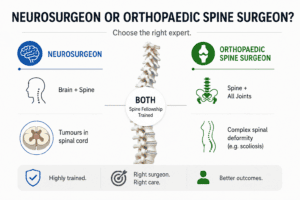
Which Surgeon Should You See for Your Spine Problem in Dubai?
Which Surgeon Should You See for Your Spine Problem in Dubai? Is a neurosurgeon always more qualified than an orthopaedic surgeon for spine conditions? No. Both pathways, when combined with
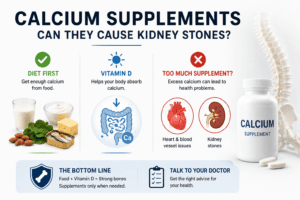
Can Calcium Supplements Cause Kidney Stones?
Can Calcium Supplements Cause Kidney Stones? If I have osteoporosis, should I take calcium supplements? This should be discussed specifically with your doctor, who will assess your individual dietary calcium
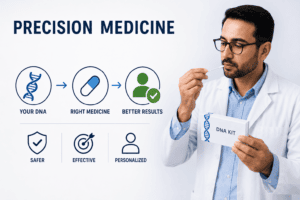
What Precision Medicine Means for Pain Management in Dubai
What Precision Medicine Means for Pain Management in Dubai How accurate is pharmacogenomic testing? Pharmacogenomic testing for well-established genetic variants, including CYP2D6 metaboliser status, is highly accurate and based on