
Spine
Conditions
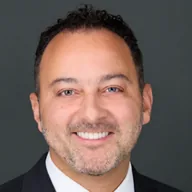
Who you'll see
Dr Sherief Elsayed
Consultant Spinal Surgeon, FRCS (Tr & Orth), UK-trained
Clinics: OrthoPro Clinic, Dubai Science Park, and UPANDRUNNING, Al Wasl Road
Most major insurance accepted. Please check with reception.

- Neck Pain
- Degenerative Disc Disease
- Cervical Disc Prolapse
- Cervical Disc Bulge
- Cervical Disc Rupture
- Brachalgia (arm pain)
- Nerve Compression / Compressed Nerve / Pinched Nerve
- Cervical Radiculopathy
- Cervical Spinal Cord Injury (SCI)
- Cervical Anterolisthesis
- Cervical Tumours including Metastatic Spinal Cord Compression (MSCC)
- Cervical Myelopathy
- Cervical Fractures
- Fractures of C1 (Atlas fractures)
- Fractures of C2
- Odontoid Peg Fractures
- Hangman Fractures / Traumatic Spondylolisthesis of C2/3
- Fractures and Fracture-dislocations of the Sub-axial Cervical Spine (C3-7)
- Facet Dislocation, including Unifacet and Bifacet Dislocation
- Facet Fractures
- Cervical Infections including Discitis and Epidural Abscesses
- Cervical Spine and Rheumatoid Arthritis
- Back Pain
- Degenerative Disc Disease
- Facet Joint Disease / arthropathy
- Lumbar Disc Prolapse
- Lumbar Disc Bulges
- Lumbar Disc Rupture
- Annular Tears Of Lumbar Discs
- Nerve Compression / Pinched Nerve
- Sciatica
- Piriformis Syndrome
- Spinal Stenosis
- Spondylolisthesis in its various forms
- Antibiotics for Back Pain (not currently prescribed by Sherief Elsayed)
- Osteoporosis and the Spine
- Spinal Infections Including Discitis, Epidural Abscesses And Infections involving Tuberculosis (TB)
- Thoracic Spinal Cord Injury
- Cauda Equina Syndrome
- Scheuermann's Kyphosis
- Postural Kyphosis
- Scoliosis
- Wedge Compression Fractures
- Burst Fractures
- Endplate Fractures
- Fracture-Dislocations
- Traumatic Spondylolisthesis
- Physiotherapy
- Acupuncture
- Hydrotherapy
- Exercise
- Spine Braces
- Spinal Halo Application and Care
- Medications, including over-the-counter and prescription medications for the treatment of pain.
- Nerve Root Block / Foraminal Nerve Root Blocks
- Facet Joint Injections
- Sacro-iliac Joint Injections
- Trigger Point Injections
- Caudal Epidurals
- Pain Team Referrals
- Pre-operative Work-Up including Blood Tests, CT, MRI and other investigations
- Fitness for Surgery
- What to Expect in Hospital
- Duration of Stay
- Anterior Cervical Discectomy and Fusion
- Anterior Cervical Discectomy and Cervical Disc Replacement / Cervical Arthroplasty
- Cervical Corpectomy and Anterior Column Reconstruction
- Anterior Reduction and Stabilisation Techniques for Cervical Trauma (Fractures and Dislocations)
- Posterior Cervical Decompression
- Posterior Cervical Decompression and Instrumented Fusion
- Posterior Cervical Foraminotomy
- C1/2 Posterior Intra-Articular Screw Fixation
- Missed Facet' Reduction and Stabilisation
- Cervical Epidural Drainage for Infection
- Discectomy
- Microscopic Discectomy
- Endoscopic Spinal Surgery / Endoscopic Discectomy
- Posterior Lumbar Decompression
- Posterior Lumbar Decompression and Non-Instrumented Fusion / Instrumented Fusion
- Transforaminal Lumbar Interbody Fusion (TLIF)
- Posterior Lumbar Interbody Fusion (PLIF)
- Thoracolumbar Corpectomy and Anterior Column Reconstruction for Fractures, Tumours and Infections
- Posterior Thoracic Decompression and Fusion For Metastatic Spinal Cord Compression or Infection
- Thoracolumbar Fracture Reduction and Stabilisation
- Vertebroplasty
- Kyphoplasty
- Anterior Lumbar Interbody Fusion (ALIF)
- Anterior Lumbar Discectomy and Lumbar Disc Replacement
- Anterior Discectomy for Thoracic Disc Prolapse and Myelopathy
- "Dos and Don'ts"
- Drains, Catheters and Other Monitoring Equipment
- High Dependency / Intensive Care
- Wound Care
- Post-operative Rehabilitation
- Return to Work
- Return to Sports
- Taking Care of Your Spine in the Longer Term
FAQ
Accurate diagnosis requires a combination of your symptoms, physical examination, and imaging studies like MRI or X-rays. Different conditions can cause similar symptoms, so it’s important not to self-diagnose. For example, leg pain might be caused by a herniated disc, spinal stenosis, or piriformis syndrome. During your consultation, Dr. Sherief will ask detailed questions about your symptoms, examine you thoroughly, and review any scans to identify the exact cause of your problem.
Some spine conditions are progressive and may worsen over time, whilst others remain stable or even improve with conservative treatment. Degenerative conditions like spinal stenosis or scoliosis can gradually worsen, potentially leading to increased pain or neurological symptoms. However, not every spine problem requires immediate intervention. Dr. Sherief will assess whether your condition is likely to progress and discuss the risks of delaying treatment versus the benefits of early management.
This is called referred pain or radicular pain, and it happens when a nerve in your spine becomes compressed or irritated. The nerve carries signals to specific areas of your leg or arm, so when it’s affected at the spine level, you feel symptoms along the pathway that nerve supplies. This is why a herniated disc in your lower back can cause sciatica down your leg, or a cervical disc problem can create pain radiating into your arm. Treating the spine problem typically resolves the limb symptoms.
Both. Many spine conditions like degenerative disc disease and spinal stenosis are related to natural wear and tear that increases with age. However, younger people can develop spine problems too. Herniated discs often affect people in their 30s and 40s, scoliosis can develop during adolescence, and spinal injuries can occur at any age. Some conditions have genetic components, whilst others result from injury, posture, or repetitive strain.
Not always. MRI and CT scans are excellent for showing structural problems like herniated discs, fractures, tumours, and spinal stenosis. However, some sources of pain, particularly muscular or mechanical back pain, may not show clear abnormalities on imaging. Additionally, scans sometimes reveal changes that aren’t causing symptoms. This is why clinical assessment is crucial. Dr. Sherief correlates your symptoms with imaging findings to determine what’s actually causing your problem, rather than treating scan appearances alone.